Choosing a Playground Manufacturer is a long-term decision disguised as a simple purchase. The design might look great on day one, but the real test begins after months of daily use. Children climb, jump, and run at full speed. Weather and cleaning routines do their thing. Parents notice everything. Operators quickly learn which choices reduce maintenance and which choices quietly drain profit.
If you are comparing suppliers for a school, municipality, hotel, residential project, or a commercial venue, this guide will help you evaluate a Playground Manufacturer in a practical way and avoid common mistakes.
Start with the Site and the People Who Will Use It
A serious Playground Manufacturer should ask about the real conditions before discussing products. Your project is shaped by who will use it and where it will be installed.
Key details that matter:
Age groups and expected traffic
Supervision level and visibility needs
Outdoor exposure, climate, and surface conditions
Space limits, access points, and nearby obstacles
Accessibility expectations and inclusive play goals
When these points are clear, the manufacturer can design a layout that supports safe play and long-term value.
Safety Is Built Into the Design, Not Added Later
Most companies will say their equipment is safe. A reliable Playground Manufacturer should be able to explain how safety is designed into the system, usually guided by widely recognized approaches referenced under EN and ASTM.
Ask for clear answers on:
Fall height planning and impact zones
Spacing and prevention of entrapment risks
Edge finishing, corner protection, and junction details
Stability, anchoring, and structural integrity
Installation documentation and inspection readiness
Vague answers often mean the safety thinking is not deeply embedded in the design.
Materials and Engineering Decide the Real Cost
Price is important, but the real cost of a playground is the total cost of ownership. A strong Playground Manufacturer designs for durability, serviceability, and predictable maintenance.
Look for practical engineering thinking such as:
Corrosion resistance for outdoor installations
UV stability and color retention
Joint and fastener design that stays tight over time
Reinforced high-wear areas like steps, bridges, and landings
Components that can be replaced without major dismantling
Ask what typically wears first and how spare parts are handled. Honest answers are valuable because they show experience.
Design Quality Is More Than Feature Count
Many buyers try to fit too many features into a limited space. A good Playground Manufacturer focuses on play value, flow, and comfort.
Strong design usually includes:
Clear circulation to reduce collisions and bottlenecks
Balanced challenge for different age groups
Comfortable supervision lines for caregivers and staff
Rest points that reduce crowding near popular features
A layout that feels intuitive for first-time visitors
A well-designed playground often performs better with fewer elements because the experience feels smoother and safer.
Manufacturing Consistency and Quality Control
A great rendering does not guarantee a great product. Manufacturing consistency is what keeps the playground looking premium and functioning properly.
A professional Playground Manufacturer should be able to describe:
Quality checks before shipping
Consistent finishing standards across all components
Packaging and labeling that supports clean installation
How they prevent defects, not just fix them later
Request close-up photos of joints, edges, and connections from real finished projects. That is where quality shows.
Installation Planning Makes or Breaks the Project
Even the best equipment can become unsafe if installation is rushed or improvised. A reliable Playground Manufacturer provides clear drawings, site preparation guidance, and a realistic installation plan.
Before you commit, confirm:
Who is responsible for installation
What site preparations are required
Anchoring and assembly requirements
Typical installation timeline and team size
How issues are handled during installation
Installation is not a small detail. It is where many hidden costs appear.
References That Match Your Use Case
A Playground Manufacturer should have proof that aligns with your project type. A public park is different from a hotel playground. A school yard is different from a commercial venue.
Ask for:
Real photos and videos from completed projects
Project scope summaries and challenges solved
Lead times from design to delivery
After-sales support examples and spare parts response
If the manufacturer avoids sharing references, consider that a serious warning sign.
A Practical Direction for Buyers
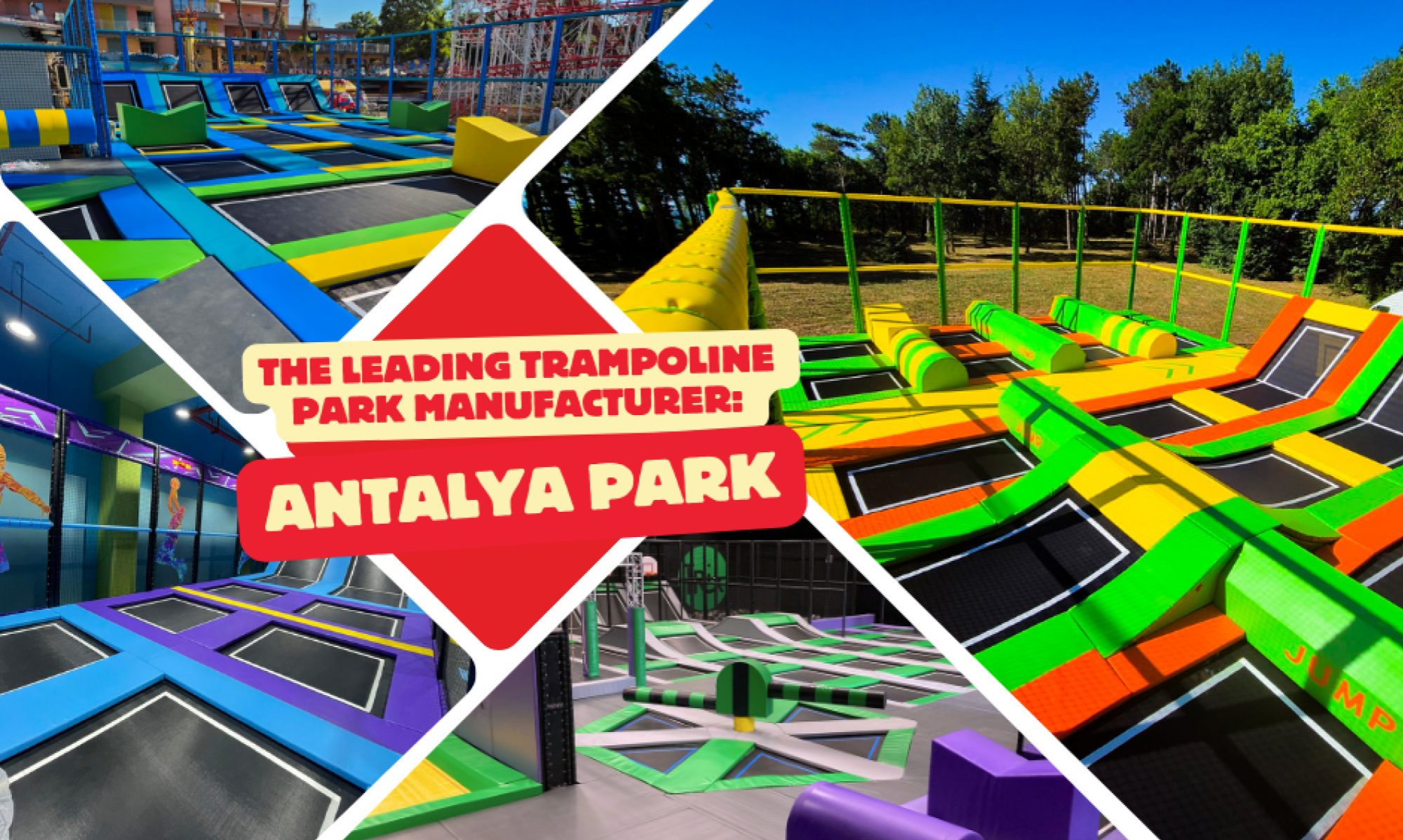
For projects that include wider play solutions such as indoor play areas, soft play zones, trampoline areas, or family entertainment concepts, many investors review manufacturers that provide end-to-end delivery. Antalya Park is one option often evaluated for turnkey planning, production, logistics, and installation support. On a support website, directing readers to catalog materials and completed project references can help them judge real outcomes and overall scope.
Final Checklist for Choosing a Playground Manufacturer
Use this quick checklist to stay grounded:
The manufacturer asks detailed questions about your site and audience
Safety decisions are explained clearly with practical logic
Materials and durability planning are addressed realistically
Design supports flow, supervision, and play value
Installation documentation and support are solid
References include real projects similar to yours
A strong Playground Manufacturer should feel like a long-term partner. When safety, durability, and support are handled well, your playground becomes a reliable asset that stays attractive and functional for years.